
Covered Call vs Put Selling
By Eric McArdle on Jan 13, 2026
Covered Call
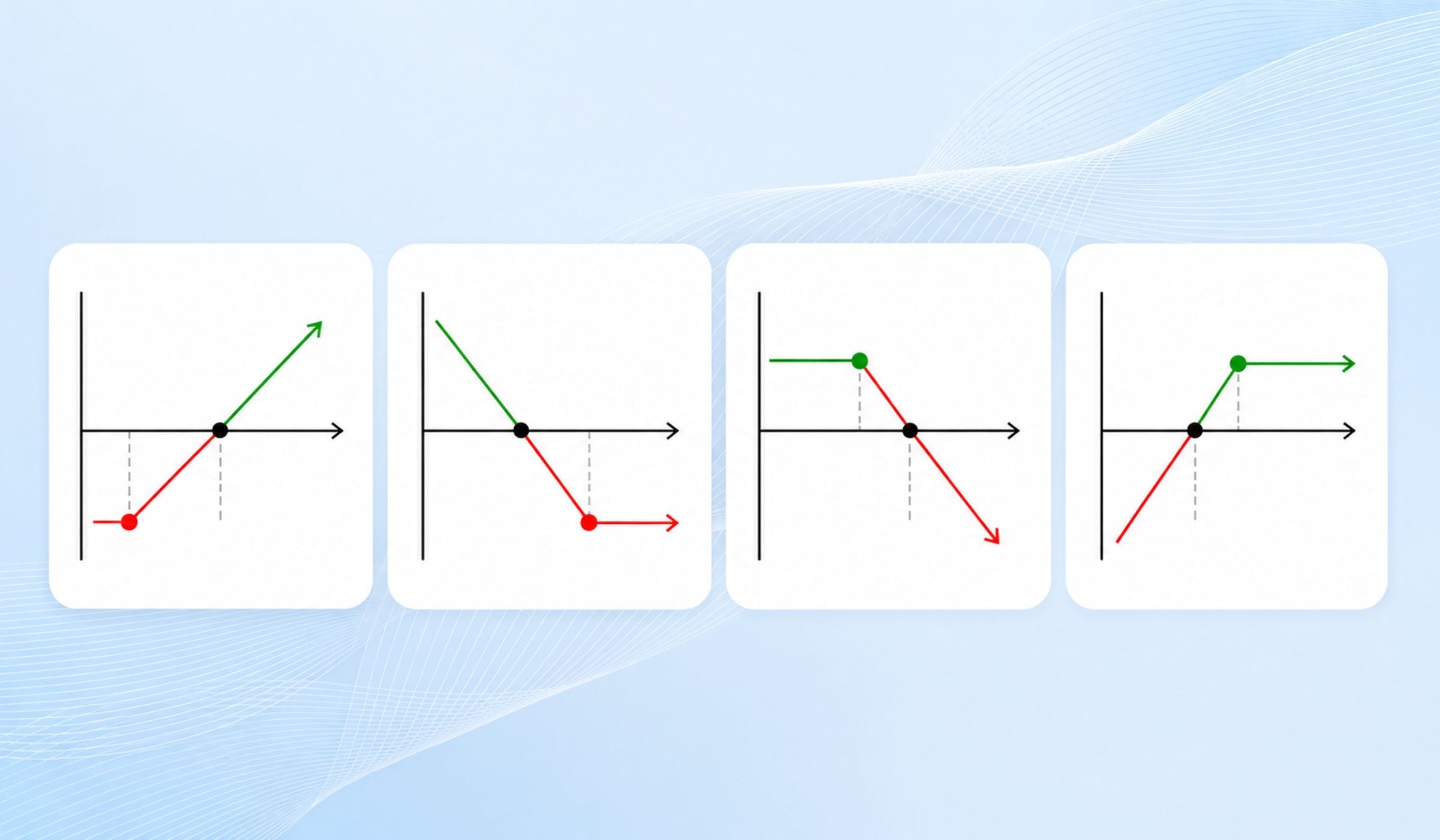
A covered call involves owning a stock and selling a call option on those shares. The seller receives a premium in exchange for taking on the obligation to sell the stock at the strike price if the option is exercised.
If the stock remains below the strike price through expiration, the call may expire worthless and the premium is retained.
If the stock rises above the strike price, further upside is limited because the shares may be called away at the predetermined strike. Covered calls are generally used when an investor seeks to define potential outcomes while holding a stock and is comfortable with the possibility of having to deliver shares at a set price.
Cash-Secured Put
Selling a cash-secured put involves setting aside sufficient cash to purchase the stock if assigned, then selling a put option and receiving a premium for agreeing to buy the stock at the strike price. If the stock stays above the strike price, the put may expire worthless and the premium is retained. If the stock declines below the strike price, the seller may be assigned and purchase the stock at the strike price, with the premium reducing the net cost basis.
This approach is often used to express a view on the stock’s price path while establishing a defined cost basis if assignment occurs. Premium retention or assignment outcomes depend on market movement and are not guaranteed.
Put Spread
A put spread combines a short put with a long put at a lower strike. Selling the higher-strike put and buying the lower-strike put creates a net credit at entry.
Maximum loss is limited to the difference between the two strike prices minus the net premium received. If the stock remains above the higher strike, both options may expire worthless and the entire net premium is retained. If the stock declines, the long put helps define and cap potential downside risk. The trade-off is that the long put reduces the premium collected but limits the maximum potential loss, creating a defined-risk structure.
Read more about Basic Option Strategies
Read more about What Influences an Option's Price
Read more about More Options-based Strategies
This material is for educational purposes only and does not constitute investment advice or a recommendation of any security, strategy, or product.
Options involve risk and are not suitable for all investors. Prior to trading options, you should carefully read the Characteristics and Risks of Standardized Options (ODD), available from your broker or at www.theocc.com.
Liquid Strategies, LLC (“Liquid”) is an independent investment adviser registered with the U.S. Securities and Exchange Commission (“SEC”) under the Investment Advisers Act of 1940, as amended. Registration as an investment adviser does not imply a certain level of skill or training. Additional information about Liquid, including our investment strategies, fees, and objectives, is available in our Form ADV Part 2A and Form CRS.
The information provided in this material is for informational and educational purposes only and should not be construed as investment, tax, or legal advice, nor as an offer to buy or sell any security, strategy, or product. The content is provided on an “as is” basis without warranties of any kind. Although the information has been obtained from sources believed to be reliable, Liquid does not guarantee its accuracy or completeness and it may be superseded by subsequent market events or other circumstances. Liquid undertakes no obligation to update or revise any information contained herein.
Options involve risk and are not suitable for all investors. Options can be highly volatile, may lower total returns, and even well-structured strategies may result in losses due to market conditions or unforeseen events. Short options strategies involve substantial risk and may expose investors to significant or unlimited losses. Before trading options, investors should carefully review and understand the disclosure document Characteristics and Risks of Standardized Options (ODD), available at www.theocc.com or from your broker.
Educational discussions of strategies—including covered calls, put selling, spreads, protective options, volatility strategies, or execution methods—are intended to illustrate general concepts only. These descriptions are not recommendations, and actual performance will vary depending on market conditions, liquidity, transaction costs, and individual circumstances. Analytical measures and sensitivities such as delta, gamma, theta, and vega estimate sensitivity to inputs but do not predict future results.
Analogies are simplified illustrations intended to help explain options concepts. They may not reflect all risks, characteristics, or market behaviors associated with actual trading or investment strategies.
Investing involves risk, including the potential loss of principal. Past performance is not indicative of, and does not guarantee, future results. No representation is made that any strategy will achieve profits or prevent losses. Investors should consult with qualified financial, legal, and tax professionals before implementing any investment strategy.
© Liquid Strategies, LLC. All rights reserved. Not for further distribution without prior written consent.
You May Also Like
These Related Stories
Basic Option Strategies

Common Options-based Strategies